Our office has moved to 5575 Warren Parkway, Suite 116, Frisco, TX 75034, effective September 11. Please plan accordingly for upcoming appointments.


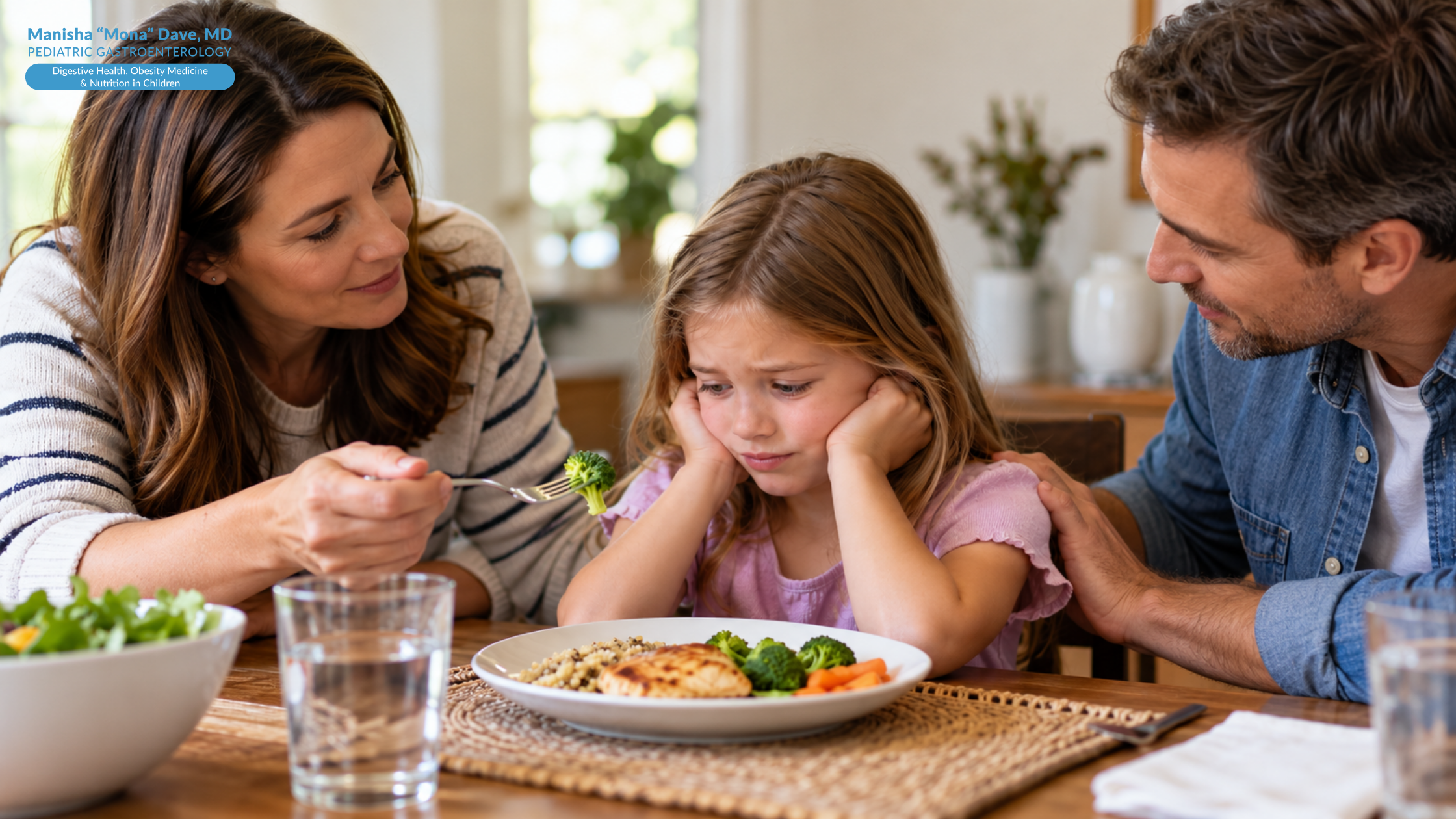
Snack time shouldn’t come with a side of stomach pain. Yet for kids with IBS, even a simple snack can lead to bloating, cramps, or sudden discomfort. One day, a certain food works fine, and the next it does not, leaving parents constantly second-guessing what to pack or serve.
The key is not to overcomplicate it. The right snacks can actually help settle the digestive system instead of irritating it. Simple, plant-based, and easy-to-digest options can keep your child comfortable, focused, and energized throughout the day while supporting better gut health over time.
Kids with IBS may experience:
Snacks can either trigger symptoms or help manage them. Since kids eat frequently, even small snack choices matter.
The right snacks can:
Simple, plant-based foods are often easier on the gut when chosen carefully.
Keep it simple and practical:
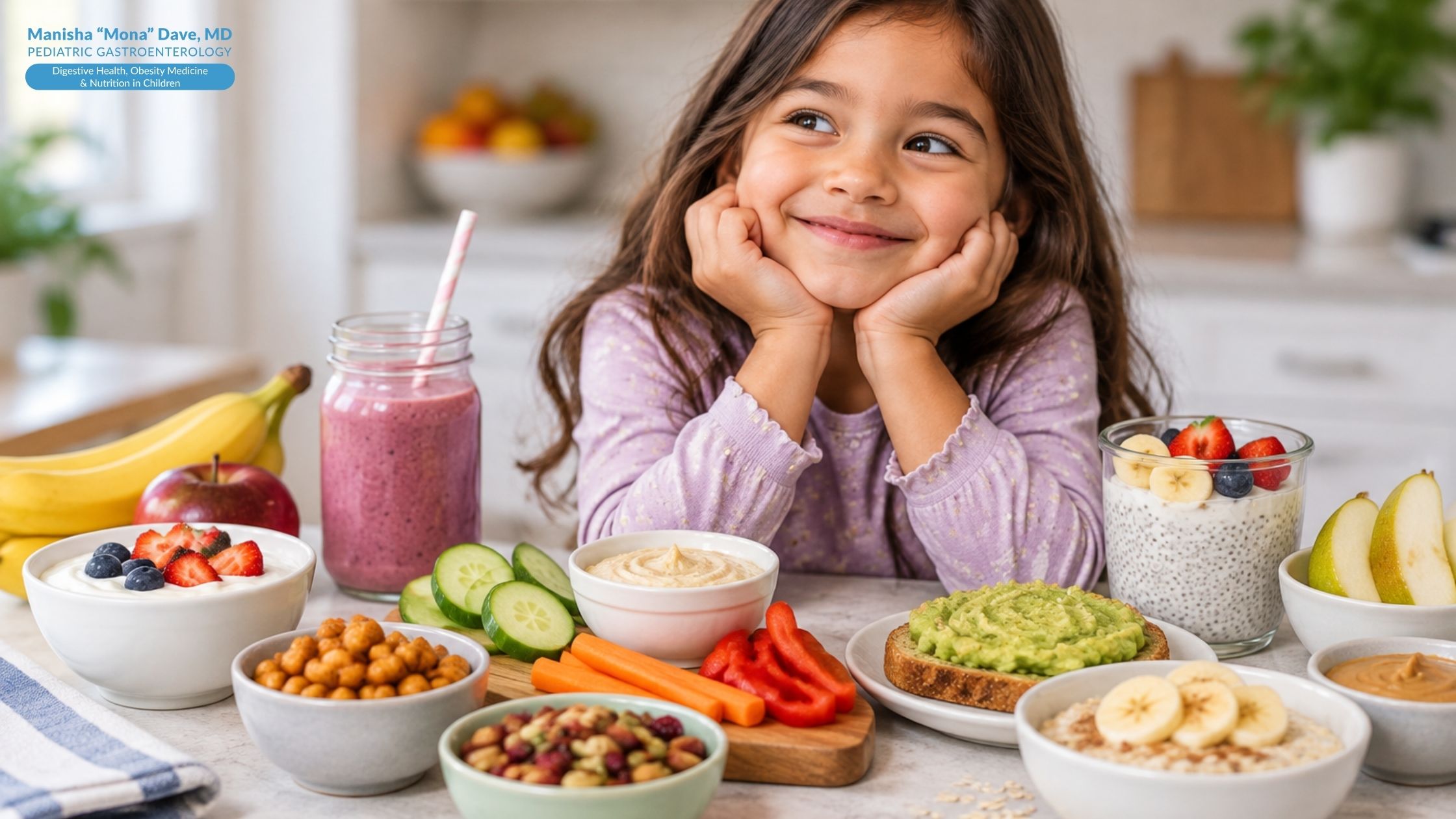
Here are some of the best snacks for IBS that are simple, plant-based, and easy to include in your child’s routine.
Bananas are one of the most IBS-friendly fruits. They are soft, easy to digest, and provide quick energy. Pairing them with peanut butter adds healthy fats and helps keep your child full for longer.
Rice cakes are light and low in FODMAPs, making them a great base for snacks. You can add almond butter, peanut butter, or a small amount of fruit jam for variety. This is also a good option for picky eaters since it can be customized easily.
Oats are known to support digestion and can be especially helpful for kids who experience constipation. Preparing oatmeal with almond milk or oat milk keeps it plant-based and gentle on the stomach. You can make small snack cups ahead of time for convenience.
Smoothies are a great way to include nutrients without overwhelming the digestive system. A simple blend of banana, strawberries, and almond milk works well. You can also add a small amount of chia seeds for extra fiber if tolerated.
Raw vegetables like carrots and cucumbers are hydrating and easy to digest. Pair them with a low-garlic hummus to avoid common IBS triggers. This snack adds both crunch and nutrition.
Chickpeas provide plant-based protein and can be a satisfying snack when roasted. However, portion control is important, as larger amounts may cause bloating. Keep the seasoning simple to avoid irritation.
Popcorn is a whole grain and can be a fun snack for kids. It is best served plain or with a small amount of salt. Avoid heavy butter or flavored versions, which may trigger symptoms.
Gluten-free crackers are often easier to tolerate for kids with sensitive digestion. Adding mashed avocado provides healthy fats and makes the snack more filling. This is also a great lunchbox option.
Chia pudding is rich in fiber and can support digestion when eaten in small portions. Use almond or coconut milk and add low-FODMAP fruits like berries to make it more appealing for kids.
A simple fruit bowl can be one of the best snacks for IBS when the right fruits are chosen. Stick to options like:
Avoid fruits that are more likely to trigger symptoms, such as apples, pears, or mangoes.
While focusing on the best snacks for IBS, it is equally important to know what to limit. Certain foods are more likely to trigger symptoms in children:
School can be a challenging environment for kids with IBS, especially when it comes to food choices. Planning ahead can make a big difference.
Having a consistent routine helps children feel more comfortable and confident about their food choices.
Managing IBS in kids does not mean cutting out snacks. It means choosing foods that are gentle on the gut and less likely to trigger symptoms. Simple, plant-based, and low-FODMAP snacks can help reduce discomfort while still giving kids the energy they need throughout the day.
Every child responds differently to foods, so it may take some trial and error to understand what works best. Keeping snacks familiar, balanced, and easy to digest can go a long way in improving daily comfort and confidence.
If your child continues to experience bloating, stomach pain, or changes in bowel habits, it may be time to take a closer look at their diet and digestive health. Dr. Mona Dave, a pediatric gastroenterologist and board-certified obesity medicine expert, provides personalized, practical guidance to help families manage IBS and build sustainable eating habits. Schedule a visit today to support your child’s digestive health and long-term wellness.