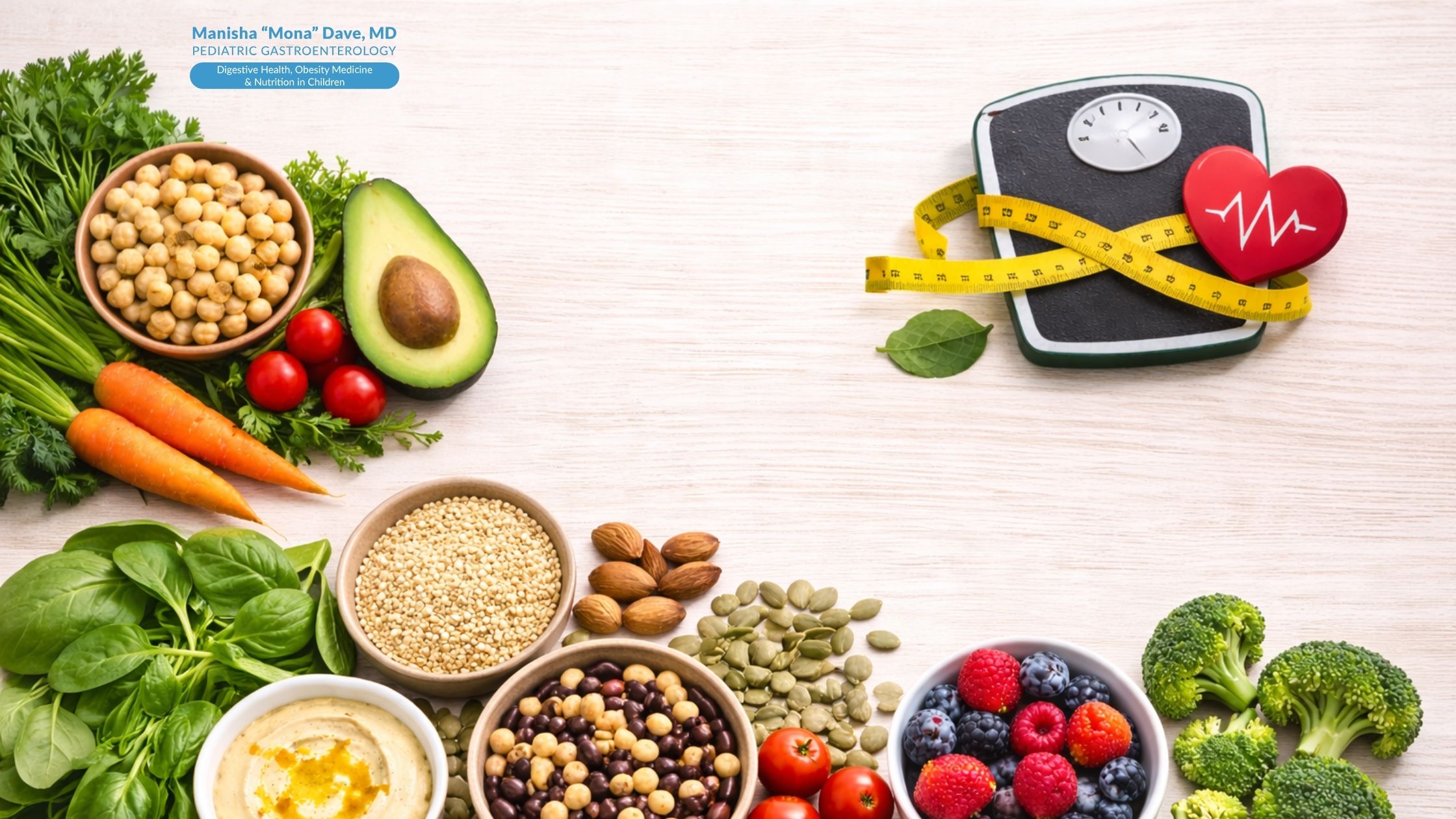

More families today are exploring plant-based eating for their children, not as a trend, but as a way to support better digestion, healthy growth, and long-term wellness. A plant-based diet focuses on whole foods that come from plants, including fruits, vegetables, whole grains, legumes, nuts, and seeds.
It is important to clarify that eating a plant-based diet does not mean “no protein” or “only salads.” When planned correctly, plant-based meals can provide all the essential nutrients children need for energy, development, and digestive health. For many families, this approach supports a healthier relationship with food from an early age.
A plant-based diet emphasizes whole, minimally processed foods rather than packaged or fast foods. This shift has gained attention as families become more aware of how nutrition affects gut health and overall well-being.
Many parents notice that children digest plant-forward meals more easily, especially when meals are rich in fiber and low in heavily processed ingredients. A focus on fruits, vegetables, and whole grains supports regular bowel habits and helps reduce digestive discomfort.
Another reason families are choosing this approach is the long-term benefit. Healthy eating habits established during childhood can reduce the risk of obesity and metabolic concerns later in life. When balanced properly, plant-based eating supports both immediate health and lifelong wellness.
There are several benefits that a plant-based diet has, from good digestion to reduced inflammation.
One of the most well-known health benefits of a plant-based diet is improved digestion. Plant foods are naturally high in fiber, which supports beneficial gut bacteria and helps regulate bowel movements. Fiber-rich meals are often gentler on sensitive digestive systems and can support children who experience constipation or irregular stools.
Plant-based meals are typically lower in calorie-dense, ultra-processed foods. This allows children to feel full and satisfied without overeating. A diet centered on whole plant foods supports healthy weight maintenance in a sustainable way.
Eating a plant-based diet usually results in lower intake of saturated fats. Over time, this supports healthy cholesterol levels and promotes cardiovascular wellness, even starting in childhood.
Fruits, vegetables, and whole grains are rich in antioxidants and phytonutrients. These compounds help reduce inflammation in the body and may be especially helpful for children with inflammatory digestive concerns.
Many plant foods provide essential vitamins and minerals such as vitamins A, C, and E, along with zinc. These nutrients play an important role in supporting immune function and helping the body fight infections naturally.
Whole plant foods contain complex carbohydrates that digest more slowly. This helps prevent rapid blood sugar spikes and supports steady energy levels throughout the day.
A diverse plant-based diet feeds beneficial gut bacteria. A healthy gut microbiome is linked to better digestion, improved nutrient absorption, and overall gut resilience.
Nutrients found in plant foods support skin health and help reduce fatigue. Children often experience more consistent energy levels when meals are based on whole, minimally processed foods.
Introducing a variety of plant foods early helps children develop positive relationships with food. This approach promotes mindful eating, curiosity, and a willingness to try different foods.
Long-term plant-based diet benefits include reduced risk of heart disease, type 2 diabetes, and metabolic conditions. These benefits begin with consistent, healthy habits formed during childhood.
Healthy plant-based meals should always be balanced. Children need adequate protein, healthy fats, iron, and calcium to support growth and development.
Good sources include:
Simple combinations, such as beans with rice, vegetables with hummus, or whole grains paired with legumes, work well for children and are easy for families to prepare.
The health benefits of a plant-based diet extend far beyond digestion. When planned thoughtfully, eating a plant-based diet can support healthy weight, strong immunity, gut health, and long-term wellness without requiring perfection. Even small shifts toward more whole, plant-based foods can make a meaningful difference in a child’s overall health.
When questions or concerns arise about nutrition, digestion, or weight, expert guidance is important. Dr. Mona Dave, pediatric gastroenterologist and board-certified obesity medicine expert, provides evidence-based, family-centered care through the Lifestyle and Weight Management Clinic at Children’s Gastroenterology & Nutrition. Schedule an appointment today to support your child’s digestive health and build a strong foundation for lifelong wellness.
Can children get enough protein on a plant-based diet?
Yes. Beans, lentils, tofu, nuts, seeds, and whole grains provide adequate protein when meals are balanced.
Are iron, vitamin B12, and calcium concerns on a plant-based diet?
Iron and calcium can be obtained through plant foods and fortified products. Vitamin B12 may require supplementation, depending on dietary intake.
How can we manage picky eating with a plant-based diet?
Start with familiar foods, introduce new options gradually, and focus on variety without pressure.
When is supplementation necessary for children on a plant-based diet?
Supplementation decisions should always be guided by a pediatric gastroenterologist or healthcare provider based on individual needs.