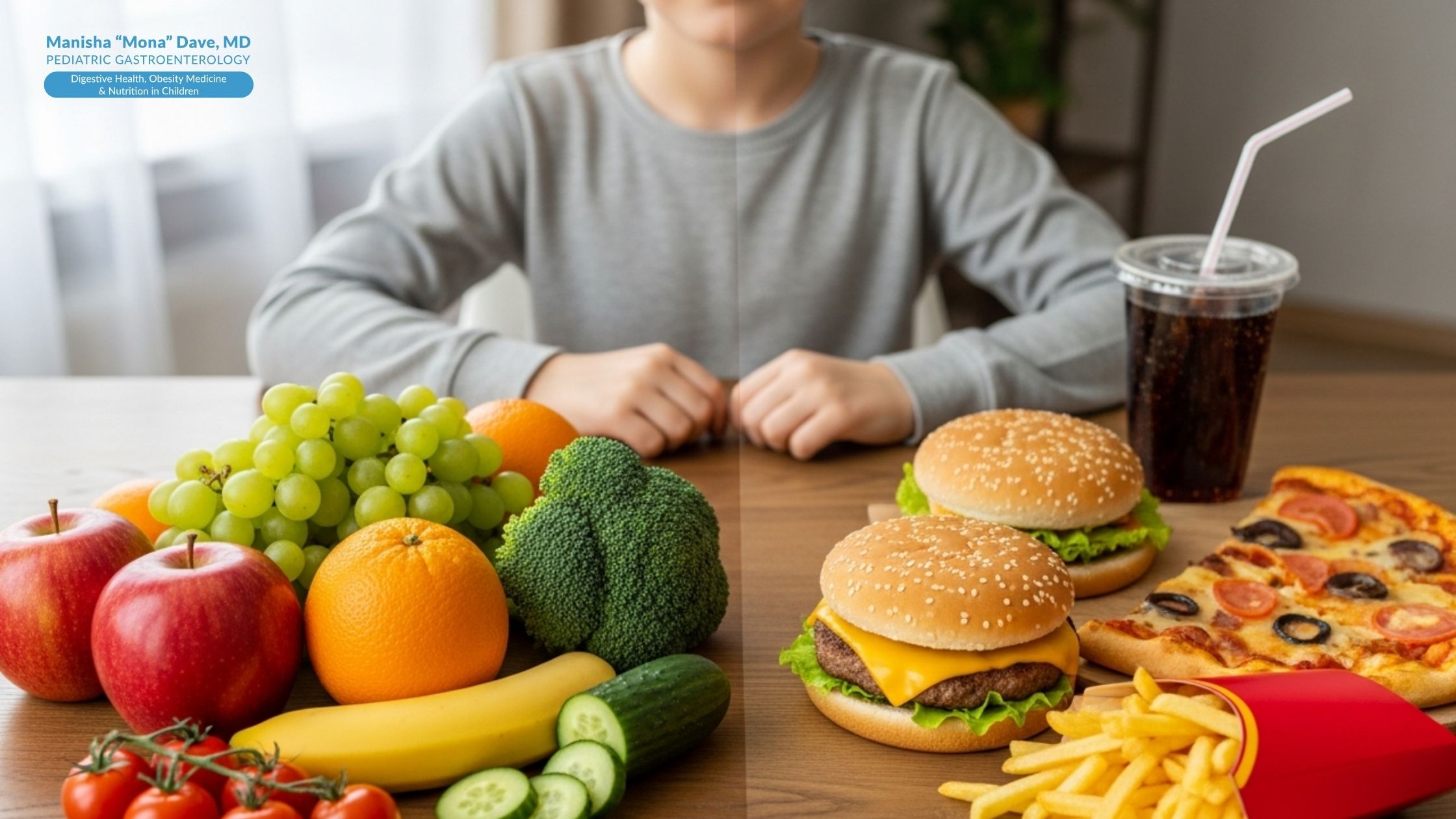
Childhood obesity has been steadily rising across the United States, and many parents are understandably concerned about how their child’s eating habits may affect long-term health. While genetics and activity levels play a role, the foods children eat each day have a significant impact. One of the biggest contributors is the frequent exposure to fast food. The link between childhood obesity and fast food is well-documented, and understanding how everyday choices shape health can help families make more informed decisions at home and on the go.
Children today have more access to fast food, sugary drinks, packaged snacks, and convenience meals than ever before. These foods are quick, affordable, and designed to appeal to kids, making them hard to resist. Over time, these habits can increase the risk of weight gain and other health concerns.
Childhood obesity means a child has excess body fat for their age and height. It is typically diagnosed using growth charts that compare a child’s weight and BMI to national averages. Obesity is not simply about appearance. It affects overall health, metabolism, mood, and long-term wellness.
Several childhood obesity risk factors contribute to weight gain, including:
Fast food is often convenient, tasty, and kid-friendly, which explains why it becomes an easy choice for busy families. However, fast-food meals tend to include:
These meals often lack fiber, vitamins, and minerals that support healthy growth. When fast food becomes a regular part of a child’s routine, their overall calorie intake quickly exceeds what their bodies need. Over time, this imbalance contributes to gradual weight gain.
Everyday food choices and habits are also a big contributor in childhood obesity:
Sugary beverages are one of the hidden drivers of childhood weight gain. Drinks like soda, flavored juices, sweet teas, energy drinks, and even certain sports drinks can add large amounts of sugar in a short time.
These drinks can:
Kids often consume sugary drinks outside of mealtimes, which increases the daily calorie load even more. Because these beverages do not make kids feel full, they end up eating the same amount of food on top of the added sugar.
Modern family life is full of commitments from school, sports, work to appointments. With so much happening, it’s easy to rely on fast food or packaged meals to save time. When meal planning becomes rushed, families often choose foods that are quick rather than nutritious.
This pattern is common, especially on school nights, after long commutes, or during extracurricular seasons. Without noticing, fast food becomes part of the weekly routine.
Many children are also exposed to processed foods at school through:
Although schools are improving guidelines, many snacks still contain high amounts of sodium, sugar, and unhealthy fats. These choices can add up over the week, especially when combined with fast food outside of school.
Fast food does more than just add calories; it affects how a child feels and functions.
Meals high in sugar and refined carbohydrates cause rapid blood sugar spikes followed by sudden drops. This cycle can lead to:
Fast-food-heavy diets lack:
When fast food becomes routine, it can lead to:
Early recognition helps parents take preventive steps. Signs may include:
There are several practical ways that you can choose for children:
Families can still enjoy occasional fast food with healthier choices, such as:
Creating structure around meals can make a big difference. Try:
Helpful strategies include:
Parents can support healthier habits at school by:
Physical activity helps balance energy and supports mental health. Children benefit from:
It may be time to speak with a pediatric specialist if:
A pediatric gastroenterologist or nutritionist can help evaluate eating habits, metabolism, and any underlying digestive concerns.
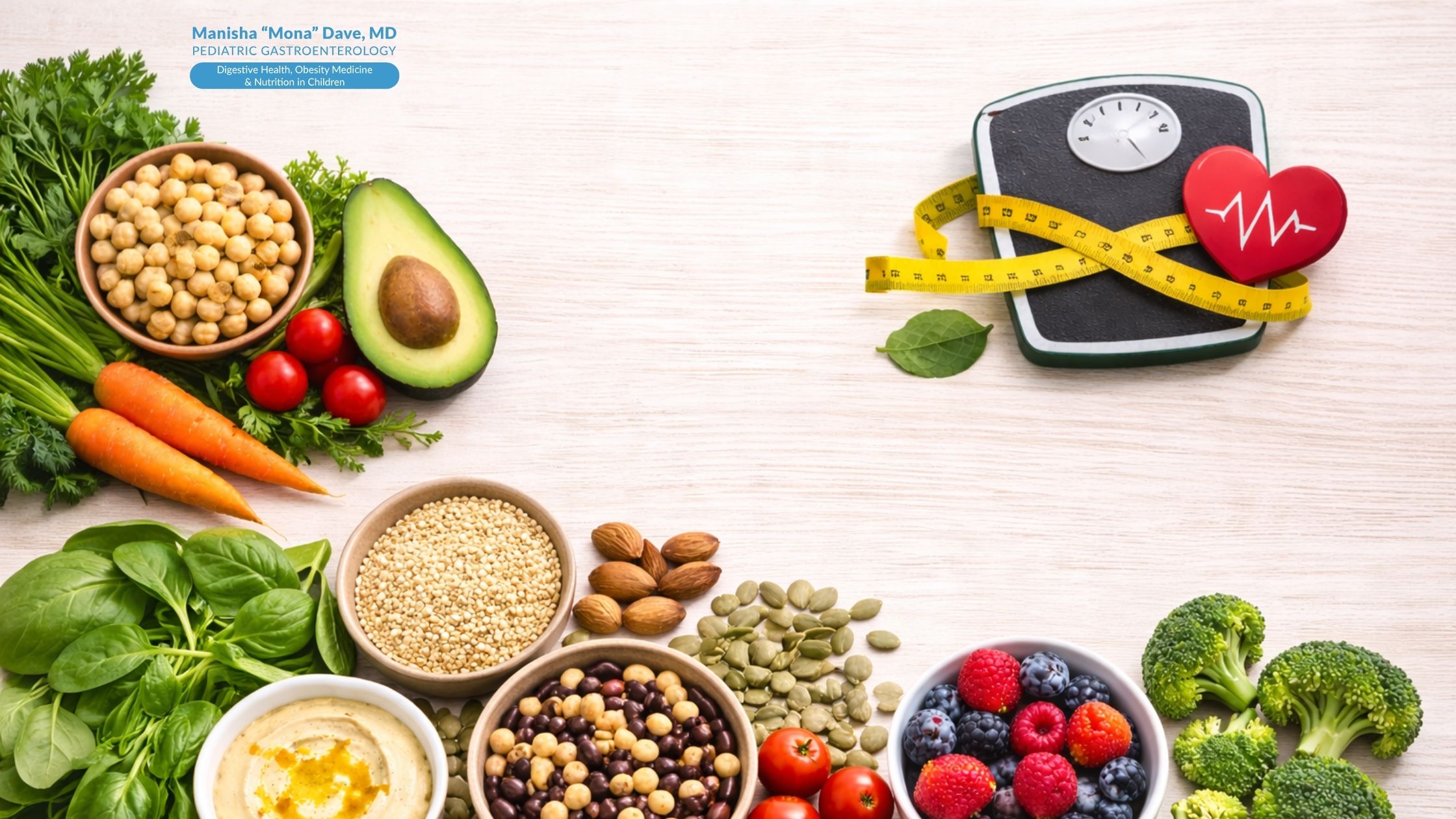
Childhood obesity is preventable with consistent, healthy habits. Everyday choices, from drinks to snacks to fast food, add up over time. Small changes can have a big impact on your child’s health and confidence. A diet rich in whole grains and plant-based foods helps prevent obesity, which is linked to chronic diseases. Eating whole, plant-based foods like fruits, vegetables, whole grains, and legumes supports healthy weight management and lowers the risk of heart disease, diabetes, and certain cancers.
If you’re concerned about your child’s eating patterns, weight, or digestive health, Dr. Mona Dave is board-certified in obesity medicine and pediatric gastroenterology and offers expert, compassionate guidance tailored to your child’s needs. Schedule a visit today to support a healthier tomorrow.