Our office has moved to 5575 Warren Parkway, Suite 116, Frisco, TX 75034, effective September 11. Please plan accordingly for upcoming appointments.

It’s not always easy to tell when something is wrong with your child’s digestion. Some children clearly complain about stomach pain, but others may show subtle signs that are easy to overlook or dismiss as normal behavior.
What looks like occasional stomach issues, picky eating, or low energy may actually be your child’s way of signaling an underlying concern. Pediatric digestive problems do not always present in obvious ways, which is why they can go unnoticed for longer than they should.
Recognizing these early signs can make a meaningful difference. When identified early, a pediatric gastrointestinal disease can often be managed effectively, supporting your child’s growth, comfort, and overall health.
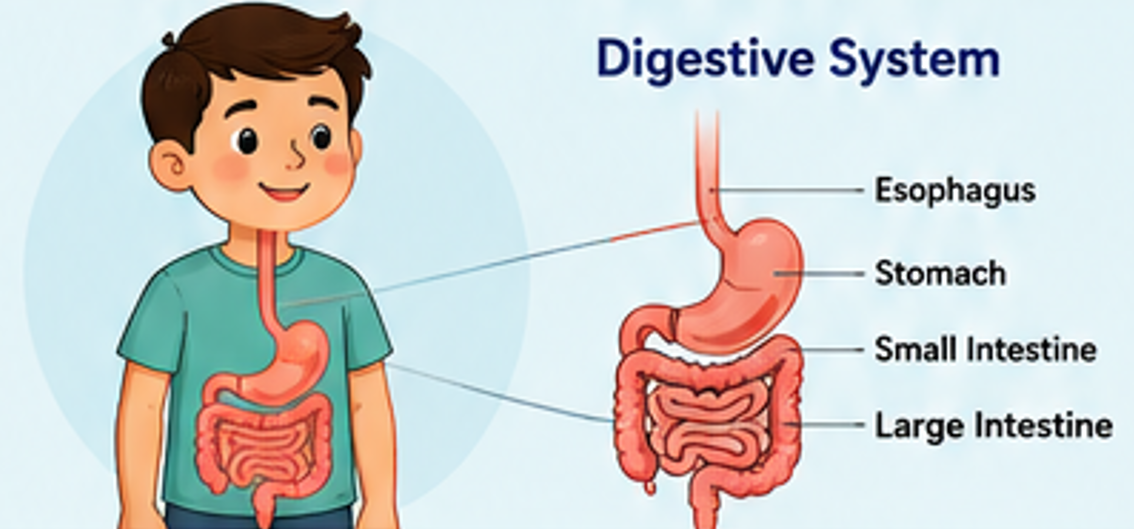
Pediatric gastrointestinal disease refers to conditions that affect the digestive tract in children. This includes the esophagus, stomach, intestines, and related organs involved in digestion.
 Some common pediatric gastrointestinal diseases include:
These conditions can vary in severity. Some children experience clear symptoms, while others may have mild or hidden signs that develop gradually over time.

Many pediatric stomach issues are overlooked because they do not always present in obvious ways.
Here’s why they can be missed:
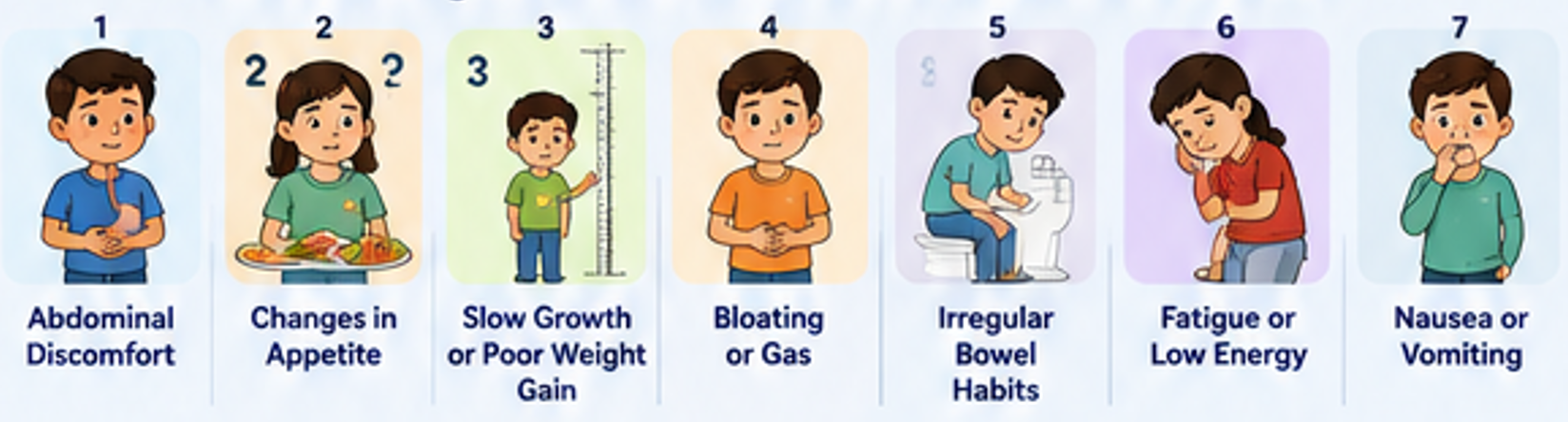
There are some hidden signs of pediatric gastrointestinal disease:
Your child may not complain of severe pain but may frequently mention stomach aches.
This can look like:
Sudden changes in eating habits can signal underlying digestive concerns.
Watch for:
Digestive health plays a key role in how nutrients are absorbed.
If a child has difficulty absorbing nutrients, it may result in:
This is one of the more important signs that needs medical attention.
Bloating is often dismissed as a minor issue, but when it happens regularly, it may indicate a deeper concern.
You may notice:
Changes in bowel patterns are one of the most common signs of pediatric digestive problems.
This can include:
If your child seems unusually tired, digestion may be playing a role.
Poor nutrient absorption can lead to:
Not all nausea or vomiting is related to infections.
Recurring episodes, even if mild, may be linked to:
It can be difficult to know when occasional symptoms become something more serious.
You should consider seeking medical advice if:
Early evaluation helps identify the cause and prevents complications.
Diagnosing a pediatric gastrointestinal disease involves a step-by-step approach.
This may include:
Treatment depends on the specific condition and severity of symptoms.
Common approaches include:
A personalized plan ensures the best outcomes for your child.

Healthy habits at home can support your child’s digestive system and overall wellness.
Encourage meals that include:
A whole-food, plant-forward approach supports gut health and reduces strain on digestion.
Water supports smooth digestion and helps prevent constipation. When kids don’t drink enough, digestion can slow down and lead to discomfort. Encourage regular water intake throughout the day and limit sugary drinks that may worsen symptoms.
Consistent meal timing helps the digestive system function better. Irregular eating can lead to stomach discomfort or poor digestion. Keeping a steady routine with meals and snacks supports better gut health.
Even mild symptoms can matter if they happen often. Pay attention to patterns like stomach pain, bloating, or changes in bowel habits. Avoid removing foods like gluten before proper evaluation, as it can make diagnosis more difficult.
Pediatric digestive problems are not always obvious. Mild symptoms like occasional stomach aches, changes in appetite, or low energy can sometimes point to a hidden pediatric gastrointestinal disease.
Recognizing these early signs allows parents to take timely action and prevent long-term complications. With proper evaluation, diagnosis, and guidance, most pediatric stomach issues can be effectively managed.
If you are unsure whether your child’s symptoms are occasional or something more, the next step is not guesswork; it is proper evaluation.
Dr. Mona Dave, a pediatric gastroenterologist and board-certified obesity medicine expert, provides thoughtful, evidence-based care to identify the root cause of pediatric digestive problems and support healthy growth.Schedule a visit today to get clear answers and a plan that works for your child.