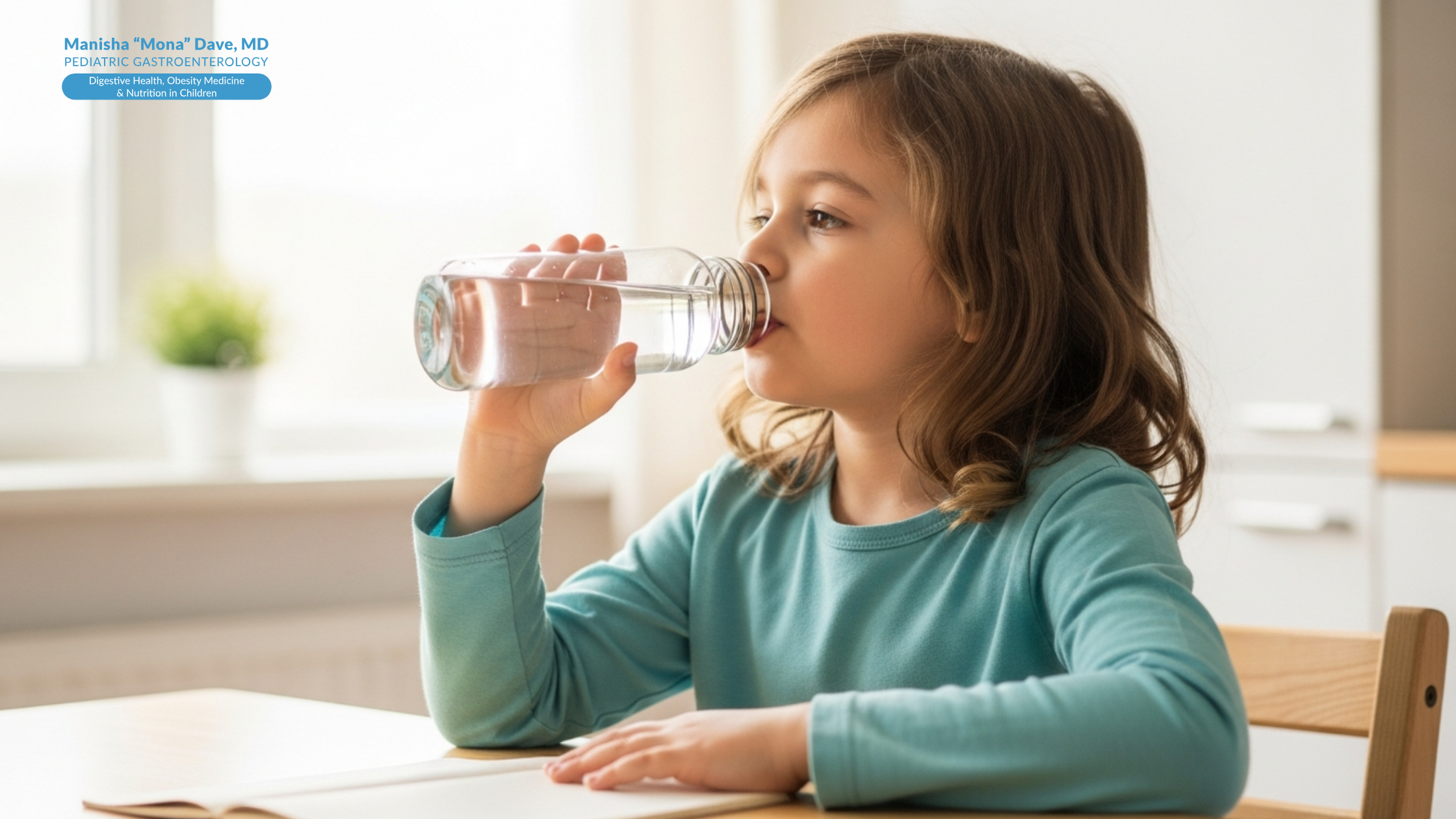

Keeping an infant hydrated is one of the most important parts of early care. Babies rely heavily on fluids to support digestion, temperature control, brain development, and overall growth. Because infants lose water faster than older children, staying on top of their hydration needs is essential. Recognizing early signs of dehydration helps parents act quickly and prevent complications.
Infants get most of their hydration from breast milk or formula. These provide the perfect balance of nutrients and fluids, which means healthy babies usually get everything they need through regular feeds.
Babies have higher fluid needs than older children because:
For babies under 6 months, breast milk or formula should be the only source of hydration. Water is not recommended at this age because it fills the stomach without offering the nutrients infants need. Once babies reach 6 months and begin solids, small amounts of water can be offered, but milk remains their main source of fluids.
Knowing what dehydration looks like can help parents spot concerns early. Signs include:
Mild dehydration can often be corrected at home with increased feeds, but moderate or severe dehydration requires medical attention.
Parents can support healthy hydration in infants through simple daily habits.
Feed on Demand: Feeding on demand ensures babies get the amount of breast milk or formula they need. Infants naturally increase their intake during warm weather, active play, or growth spurts.
Watch for Growth Spurts and Cluster Feeding: During certain developmental periods, babies may feed more frequently. This cluster feeding helps them stay hydrated and supports growth.
Avoid Unnecessary Water Before 6 Months: Water should not replace breast milk or formula. Even small amounts may interfere with nutrient absorption and fill babies too quickly.
Include Burping Breaks: Burping during feeds helps reduce discomfort and allows babies to finish their bottle or nursing session more comfortably.
Pay Attention to Diaper Output: Steady diaper output is one of the best signs of good hydration.
Illness can quickly impact hydration, especially when fevers, congestion, or diarrhea are present. Knowing how to keep an infant hydrated when sick helps parents prevent dehydration during common childhood illnesses.
Offer Smaller, More Frequent Feeds: Sick babies tire easily. Smaller, more frequent meals are easier to tolerate than full feeds.
Ask Your Pediatrician About Oral Rehydration Solution (ORS): Sometimes pediatricians recommend ORS for short periods to restore lost fluids and electrolytes. Parents should only use ORS under medical guidance for infants under 1 year.
Relieve Congestion Before Feeding: Nasal congestion makes it hard for babies to suck and swallow. Using saline drops or a nasal aspirator before feeding can help them latch and drink more effectively.
Monitor Diapers Closely: Illness often reduces wet diapers, which can signal dehydration. Keeping track helps parents identify changes early.
Vomiting requires special care. Learning how to keep an infant hydrated when vomiting helps prevent rapid fluid loss.
Instead of offering a full bottle after vomiting, start with:
These small amounts help rehydrate without overwhelming the stomach.
Giving the stomach a short break lowers the chance of vomiting again.
Feeding too much too quickly can trigger another vomiting episode. Gradually increase feeding amounts as your baby keeps fluids down.
Persistent vomiting, no wet diapers, or extreme sleepiness needs prompt medical evaluation.
If your infant becomes mildly dehydrated, rehydration should be done safely and slowly.
ORS helps replace electrolytes and fluids lost from vomiting or diarrhea. For infants:
Fruit juices, sports drinks, soda, or homemade electrolyte recipes are not appropriate for infants. These can worsen dehydration.
If babies cannot keep anything down or become increasingly lethargic, IV fluids may be necessary. This is especially true for newborns, who can dehydrate faster than older infants. Parents should contact their doctor right away if they suspect moderate to severe dehydration.
Parents should seek urgent medical help if their infant shows:
These symptoms can indicate significant fluid loss and require immediate care.
Hydration doesn’t need to be complicated. A few small daily steps can help prevent dehydration:
Infants rely on their caregivers to help keep their hydration on track, and consistent habits make a big difference.
Most cases of dehydration in infants can be prevented with close attention to feeding patterns and diaper output. Parents who know what to look for feel more confident caring for their babies during everyday routines and moments of illness.
If you’re ever unsure about your baby’s hydration, feeding habits, or symptoms during sickness, Dr. Mona Dave is here to help with expert guidance and compassionate pediatric digestive care. Schedule an appointment today to ensure your infant stays healthy, hydrated, and thriving.