Our office has moved to 5575 Warren Parkway, Suite 116, Frisco, TX 75034, effective September 11. Please plan accordingly for upcoming appointments.
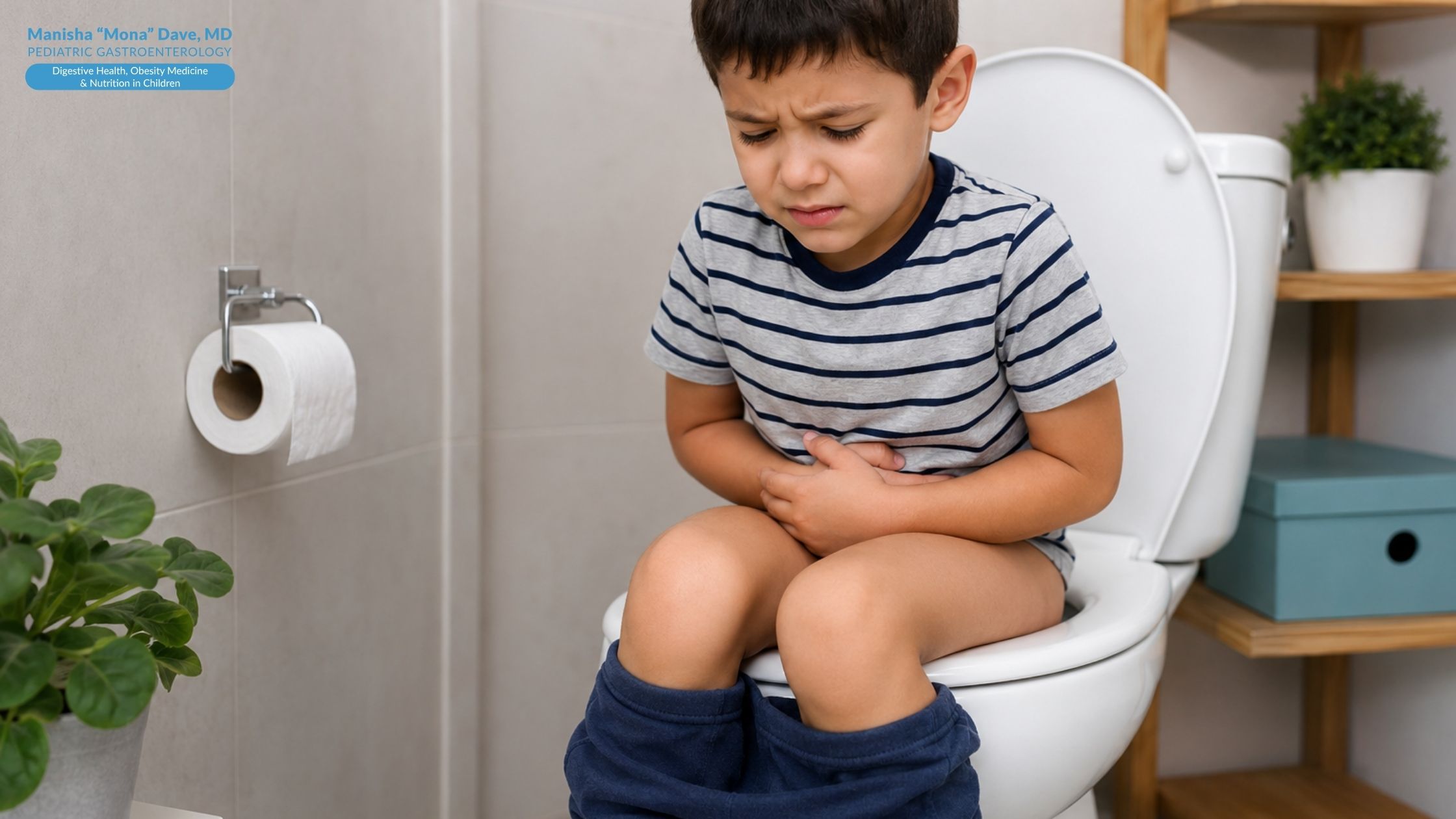
Constipation is one of the most common digestive disorders in children, affecting infants, toddlers, school-aged children, and teenagers alike. While occasional constipation may happen from time to time, persistent or untreated pediatric constipation can sometimes lead to ongoing digestive discomfort and other health concerns that may affect a child’s overall well-being.
Many parents assume constipation is simply a temporary issue that children will outgrow. However, when symptoms continue for weeks or become recurrent, it may indicate a need for closer evaluation and appropriate constipation treatment for kids.
Early attention can often help prevent complications and support healthier digestive function over time.
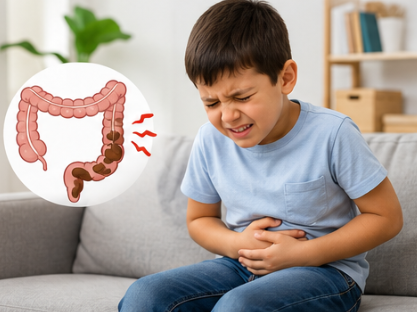 Pediatric constipation refers to infrequent, difficult, or painful bowel movements in children. Every child’s bowel habits may vary, but constipation is generally suspected when stools become hard, painful to pass, or less frequent than usual.
Common symptoms of pediatric constipation may include:
Constipation often develops gradually. After a painful bowel movement, children may avoid using the bathroom, causing stool to stay in the colon longer, harden, and become more difficult to pass.
Several factors may contribute to constipation in children, including:
Although constipation may seem minor at first, untreated symptoms can worsen over time. Painful bowel movements often lead children to avoid using the bathroom, causing stool to build up and harden.
As this cycle continues, bowel movements become even more uncomfortable. Over time, chronic stool buildup can affect digestive function, daily comfort, and may contribute to other digestive disorders in children if left untreated.
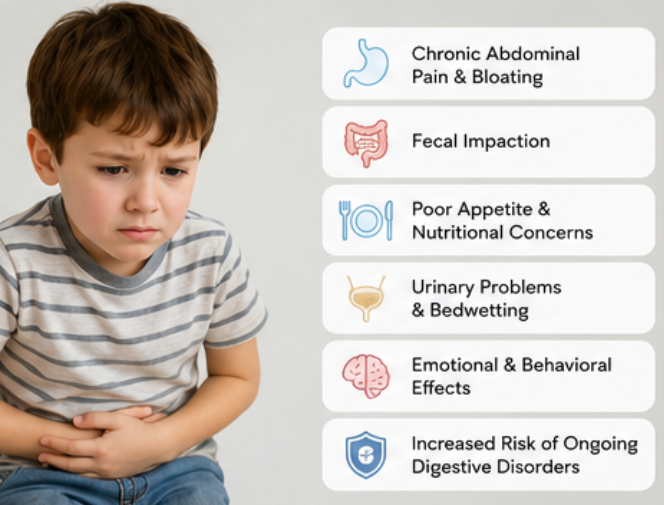
When stool builds up in the intestines, children may experience abdominal pain, pressure, and bloating. Frequent stomachaches can also interfere with sleep, meals, school, and daily activities.
Severe constipation can lead to fecal impaction, a condition in which hard stool becomes stuck in the rectum or colon. This may make bowel movements extremely painful or difficult.
Children with chronic constipation may avoid eating due to stomach discomfort or feeling full quickly. Over time, reduced appetite and poor nutritional intake may affect healthy growth and development.
Because the intestines and bladder are closely connected, stool buildup can place pressure on the bladder, leading to urinary accidents, frequent urination, or bedwetting.
Persistent constipation can also affect a child emotionally. Bathroom accidents, discomfort, or fear of using public restrooms may lead to embarrassment, anxiety, irritability, or avoidance behaviors.
Untreated bowel issues may lead to long-term digestive concerns. In some cases, chronic constipation can become an ongoing condition that requires continued management.
 Parents should consider medical evaluation if constipation symptoms persist or become severe. Some warning signs include:
A pediatric gastroenterologist can help identify potential underlying causes and develop an individualized treatment plan based on the child’s symptoms, diet, age, and medical history.
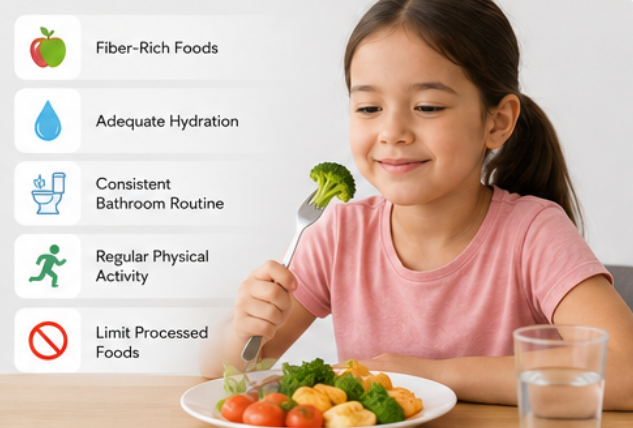 Effective constipation treatment for kids often involves a combination of lifestyle changes and medical support when necessary. Treatment plans are typically individualized based on the severity and duration of symptoms.
Helpful strategies include:
In many cases, early treatment can help break the cycle of stool withholding and reduce the risk of long-term digestive complications.
Pediatric constipation is common, but persistent symptoms should not be ignored. Early evaluation and appropriate constipation treatment for kids can help prevent complications and support healthier digestive function over time.
If your child continues to struggle with constipation or other digestive symptoms, proper evaluation is the next step.
Dr. Manisha “Mona” Dave, a pediatric gastroenterologist and board-certified obesity medicine expert, provides evidence-based care to identify the cause of pediatric digestive problems and create personalized treatment plans that support healthy growth and long-term wellness.
Schedule a visit today to better understand your child’s digestive symptoms and receive a personalized treatment plan that supports healthier bowel habits and long-term digestive wellness.
How long is too long for constipation in children?
If constipation lasts more than a few weeks, recurs frequently, or causes pain and stool withholding, it is important to seek medical evaluation.
Can untreated constipation cause digestive disorders in children?
Persistent pediatric constipation may contribute to ongoing digestive discomfort and other digestive disorders in children if symptoms are not properly managed.
When should a child see a pediatric GI specialist for constipation?
A child should see a pediatric gastroenterologist if constipation becomes chronic, causes severe pain, stool accidents, poor growth, or does not improve with routine care.
What foods help relieve constipation in kids?
Fiber-rich foods such as fruits, vegetables, beans, and whole grains, along with proper hydration, may help support regular bowel movements in children.