Our office has moved to 5575 Warren Parkway, Suite 116, Frisco, TX 75034, effective September 11. Please plan accordingly for upcoming appointments.


It can be concerning when your child seems to fall sick often or takes longer than usual to recover. Frequent colds, low energy, or recurring infections can leave parents wondering if their child’s immunity is as strong as it should be.
What many people don’t realize is that immunity is closely linked to gut health. The gut does far more than just digest food. It plays a central role in protecting the body, regulating immune responses, and keeping infections at bay.
Understanding this gut-immune connection can help you spot early warning signs, identify possible triggers, and take simple steps to support your child’s overall health and immunity.
The gut immune connection is one of the most important aspects of a child’s health.
Around 70 percent of the immune system is located in the gut. This means the gut microbiome and immune system are closely linked and constantly interacting.
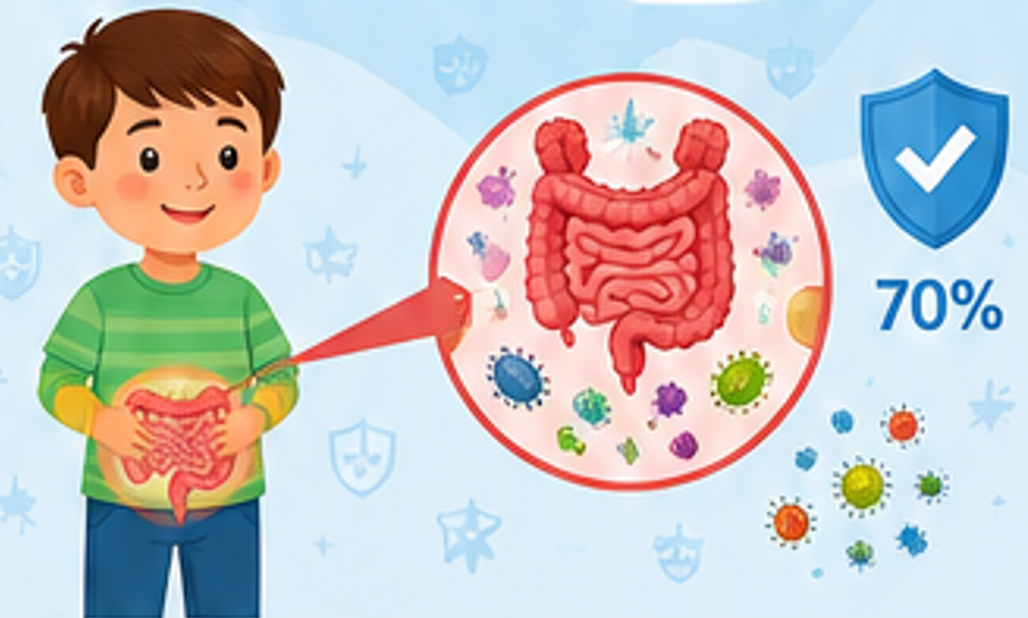 Here’s how they work together:
When the gut is healthy, the immune system can respond effectively. When it is not, children may become more prone to infections and inflammation.
Sometimes, the signs are not obvious. Instead of a single symptom, you may notice a pattern.
Common signs include:
Several everyday factors can affect a child’s gut health over time, often without obvious signs in the beginning.

A diet high in sugar, processed foods, and low in whole, plant-based options can disrupt healthy gut bacteria. Over time, this reduces the diversity of the microbiome, making it harder for the gut to support digestion and immunity effectively.
Antibiotics are sometimes necessary to treat infections, but they do not only target harmful bacteria. They can also reduce beneficial gut bacteria, which may take time to recover if not supported properly through diet.
Fiber feeds healthy gut bacteria, while probiotic foods help introduce beneficial microbes. When these are missing from a child’s diet, the gut may struggle to maintain balance, leading to digestive discomfort and reduced immune support.
Children may not always express stress clearly, but it can still affect their gut. Poor sleep and ongoing stress can disrupt digestion, alter gut bacteria, and weaken immune responses over time.
Daily exposures such as hygiene habits, time spent outdoors, and overall lifestyle patterns can influence gut health. Limited exposure to natural environments or overly sanitized settings may affect how the immune system develops and responds.
There are several ways to improve your child’s gut health and immunity:
A nutrient-rich diet supports both gut health and immunity.
These foods help build and maintain healthy gut bacteria.
Daily habits have a direct impact on gut health.
Antibiotics should only be used when prescribed and necessary.
After antibiotic use, supporting gut recovery through diet becomes important to restore balance.
Occasional illness is normal, but certain patterns should not be ignored.
You should consider consulting a specialist if:
Small, consistent habits can make a big difference.
The connection between gut health and immunity is a key part of your child’s overall wellness. A healthy gut microbiome and immune system work together to protect the body, support digestion, and reduce the risk of illness.
When gut health is affected, it can show up as frequent infections, digestive discomfort, or low energy. Recognizing these signs early and making simple lifestyle changes can support better health outcomes.
If you are unsure whether your child’s symptoms are linked to gut health, the next step is not guesswork, it is proper evaluation.
Dr. Mona Dave, a pediatric gastroenterologist and board-certified obesity medicine expert in Frisco, TX, provides thoughtful, evidence-based care to assess gut health, identify concerns, and support your child’s growth and immunity. Schedule a visit today to get clear answers and a plan that works for your child.