Our office has moved to 5575 Warren Parkway, Suite 116, Frisco, TX 75034, effective September 11. Please plan accordingly for upcoming appointments.

As a pediatric gastroenterologist, I talk a lot about poop. Talking about poop is a great way to get younger children giggling and the older kids blushing. But seriously, your poop says a lot about your digestive health.
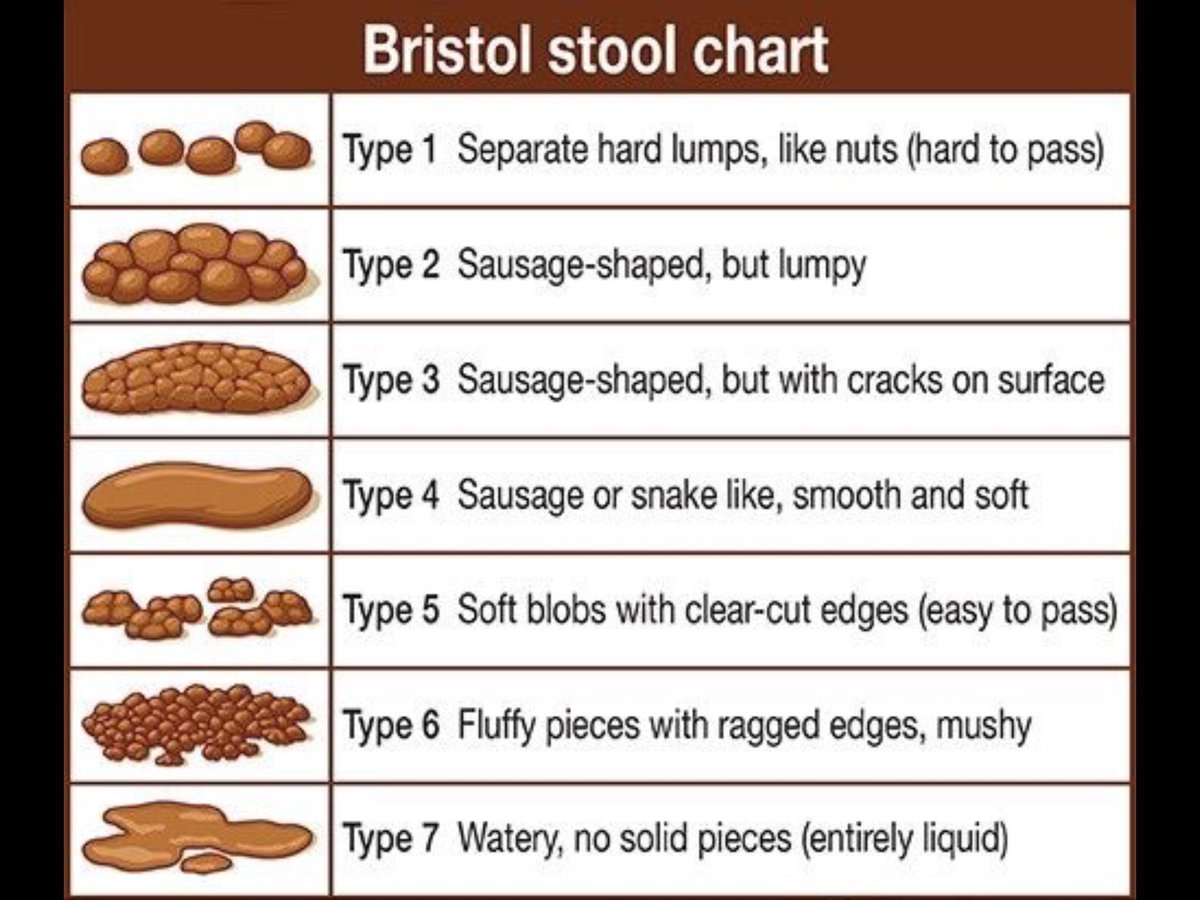
So, how can you describe your poop to your physician without bringing in a sample... the Bristol Stool Chart!
Ken Heaton, MD, from the University of Bristol, developed the chart in 1997 with the help of volunteers. The chart was designed to help physicians measure the time it takes for food to pass through your body and leave as waste. The shape and form of your poop may also point your doctor toward a diagnosis of digestive problems.
Your child's poop can provide a wealth of knowledge about their health. Next time your child poops, have them refer to the Bristol Stool Chart and note what type of poop they are passing. This video is a great visual demonstration. The toilet bowl can be a window into your child's health!
If you would like more information about gastrointestinal (GI) digestive disorders and nutrition in children, please contact Dr. Mona Dave's Frisco Office or Southlake Office.