Our office has moved to 5575 Warren Parkway, Suite 116, Frisco, TX 75034, effective September 11. Please plan accordingly for upcoming appointments.

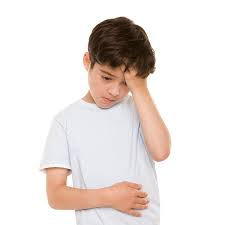 If your healthy child is frequently complaining about stomachaches, there is a high possibility that they have functional abdominal pain. Functional Abdominal Pain Two or more months of abdominal pain in otherwise healthy, thriving children is known as functional abdominal pain. Even though "functional" pain refers to there being no inflammation, infection, or blockage causing the pain, it is still very real and not just made up or "in their head." Functional abdominal pain occurs because your child's digestive system has a complicated system of nerves and muscles that become extra sensitive. Similar to the large brain in the head, the digestive system has a smaller brain located within the tissue of the esophagus, stomach, small intestine, and colon. The digestive system's brain (or the "enteric nervous system") is a network of neurons, neurotransmitters, and proteins that zap messages between the larger brain in the head and the smaller brain in the digestive system. There are actually more nerves in your child's digestive system than in their spine. The triggering factor for the functional abdominal pain may be difficult to identify, but sometimes it occurs following an infection, after eating certain foods, or as a reaction to positive and negative emotional stressors.
 Although it is very natural to be worried about your child's health, it is reassuring to know that functional abdominal pain is not a life-threatening condition. Before Seeing the Doctor Before visiting your child's doctor, it is often helpful to keep a pain diary. It is important to talk to your child and record information about their pain including:
 The initial goal of therapy is to decrease the intensity and frequency of pain to a point where life can be enjoyable and your child can function without interference. The pain will take time to improve and results may not be immediate. With ongoing treatment, your child should be able to resume a normal life. At times, the pain may recur, but overall there should be a progressive improvement in pain control. If the pain is not improving, then the management approach will be reassessed and modified by your child's physician. Despite their pain, children should be encouraged to return to school and resume routine activities. In order for the treatment plan to be effective, it is important to keep as much of a routine as possible. Remember that the effectiveness of the treatment is based on the combined efforts of the physician, the patient, and the family. If you would like more information about gastrointestinal (GI) digestive disorders and nutrition in children, please contact Dr. Mona Dave's Frisco Office or Request Appointment Here.