loader

Our office has moved to 5575 Warren Parkway, Suite 116, Frisco, TX 75034, effective September 11. Please plan accordingly for upcoming appointments.

Recognizing IBS in Children: Symptoms Parents Often Mistake for a Stomachache

Nov 09, 2026

Digestive Health

Recognizing IBS in Children: Symptoms Parents Often Mistake for a StomachacheRecognizing IBS in Children: Symptoms Parents Often Mistake for a Stomachache

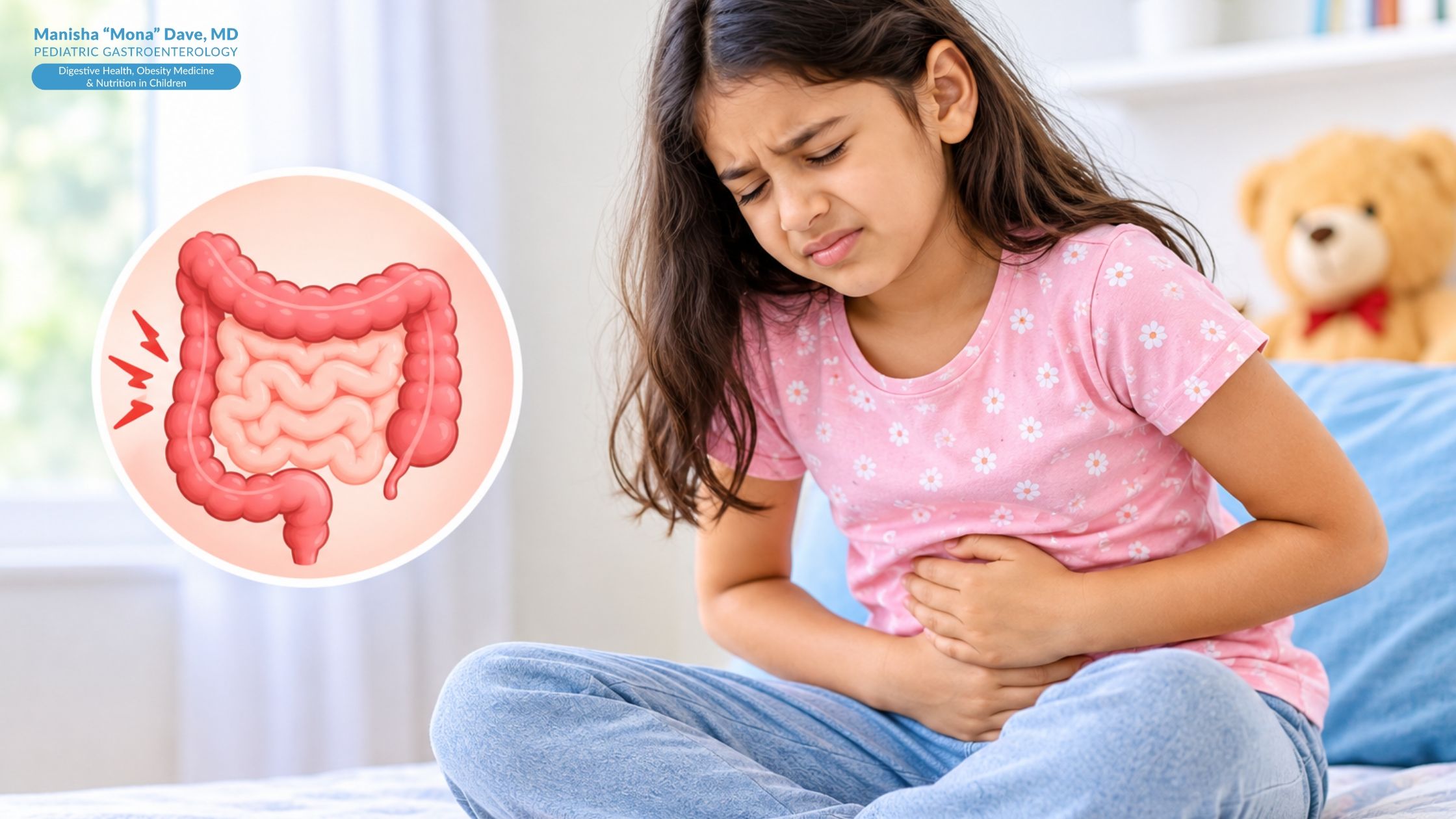
It is a school morning, and your child is holding their stomach again. It has happened before, on test days, after lunch, and on some weekends too, and each time it has been written off as just a stomachache.

When belly pain keeps returning, especially alongside changes in the bathroom, the pattern matters more than any single episode. IBS symptoms in children are easy to overlook because they can look like ordinary stomach trouble, yet recurring symptoms are worth understanding rather than brushing aside.

What Is Irritable Bowel Syndrome in Children?

Irritable bowel syndrome, or IBS, is a functional digestive condition. That means the intestines typically look normal on exam and testing but do not always work the way they should. The pain is real, and it is often linked to how the gut and brain communicate, how sensitive the intestines are, and how the bowel moves.

IBS is diagnosed by a clinician after other causes have been considered, not from a symptom list at home. Knowing what it can look like helps parents recognize when a pattern deserves attention. You can read more about irritable bowel syndrome in children on the practice's condition page.

What Are the Most Common IBS Symptoms in Children?

Symptoms vary from child to child and can shift over time. These are the ones parents most often describe:

  1. Recurring belly pain or cramping. The pain often comes and goes over weeks or months, and it may center around the belly button or move around. It becomes more telling when it repeats than when it shows up once.
  2. Pain that changes with bowel movements. Some children feel better after using the bathroom, while others feel worse. A link between pain and the toilet is one of the clues clinicians pay close attention to.
  3. Diarrhea. Loose or frequent stools, sometimes with a sudden urge to go, can show up in the morning or around stressful events.
  4. Constipation. Hard, infrequent stools or straining can be part of the picture, and some children swing between constipation and diarrhea.
  5. Bloating and gas. A swollen or uncomfortable belly, especially later in the day, is common and easy to blame on a big meal.
  6. Changes in bowel habits. Any lasting shift in how often a child goes or how stool looks is worth noticing, even when the child does not complain of pain.

Nausea, a poor appetite, and headaches can travel alongside these symptoms in some children, though they are not specific to IBS.

How Is IBS Different From an Ordinary Stomachache?

A typical stomachache has an obvious reason and usually passes fairly quickly, such as a stomach virus, a very large lunch, or a day without a bowel movement.

Symptoms that deserve a closer look repeat over weeks or months, tie back to bathroom habits, or start interfering with school, sports, sleep, or meals. A child may seem completely well between episodes, which is part of why the pattern gets missed.

Other conditions, including constipation, lactose intolerance, and celiac disease, can look similar, so recurring symptoms should not be labeled IBS at home. Persistent abdominal pain in children is worth attention whatever the cause.

What Can Make IBS Symptoms Flare Up?

Many parents notice that symptoms cluster around certain moments: the first weeks of school, exams, travel, a change in routine, or a stomach bug. Stress and worry can intensify symptoms because the gut and brain are closely connected, as explained in this look at the gut-brain axis in children. That does not mean the pain is imagined.

Eating patterns can play a role too, such as skipped meals, very large portions, or very little fiber and fluid. Triggers differ from child to child, so a pattern in a symptom diary is more useful than a guess.

What Should Parents Do While Symptoms Continue?

A few steady habits help while you decide on next steps:

  • Keep a simple diary of pain, bowel movements, meals, and stressful events for a couple of weeks
  • Offer regular meals, plenty of fluids, and consistent sleep
  • Take the pain seriously and stay calm about it, since visible worry can make symptoms feel worse

Just as important is what to avoid. Cutting out gluten, dairy, or several foods at once on your own can backfire, because removing gluten before evaluation can interfere with accurate celiac testing, and restrictive diets can affect a growing child's nutrition. Try not to assume the pain is attention-seeking, and hold off on supplements or over-the-counter remedies without medical guidance.

When Should a Child See a Pediatric Gastroenterologist?

Consider an evaluation when belly pain or bowel changes:

  • Keep returning over several weeks
  • Interfere with school, sports, sleep, or eating
  • Alternate between diarrhea and constipation
  • Continue despite changes at home

Some signs should not wait: blood in the stool, unexplained weight loss or slow growth, persistent vomiting, fever with belly pain, joint pain or mouth sores alongside stomach symptoms, trouble swallowing, or a family history of inflammatory bowel disease or celiac disease. Sudden severe pain, vomiting blood, or a hard, swollen belly needs emergency care.

Moving From "Just a Stomachache" to Real Answers

Recurring stomach pain can quietly shape a child's days, from skipped activities to rushed mornings and meals approached with worry. Waiting it out keeps a family guessing and can delay finding a cause that may be treatable.

The next step is not guesswork, it's a proper evaluation. Dr. Mona Dave, a pediatric gastroenterologist in Frisco, TX, can look at the whole picture, including symptom patterns, growth, and family history, to help determine whether IBS or another digestive condition is behind your child's symptoms. Schedule an appointment to start with clear answers.

Frequently Asked Questions

  • At what age does IBS show up in children?
    IBS is most often recognized in school-age children and teens, though it can be identified in younger children too. Age alone does not decide the diagnosis, so the pattern of symptoms and an evaluation matter more.

  • Is IBS the same as a "nervous stomach"?
    Not exactly. Stress can make IBS symptoms stronger, but IBS involves how the gut moves and how sensitive it is, and the pain is real. A pediatric gastroenterologist can help sort out what is driving a child's symptoms.

  • Does IBS go away in children?
    The course varies. Symptoms often come and go, and many children improve with the right support, while others have symptoms that continue into the teen years. A care plan can be adjusted as your child grows.

  • Can IBS make it hard for a child to attend school?
    It can. Morning pain, urgent bathroom trips, and worry about symptoms in class are common concerns. If symptoms are affecting attendance or activities, that is a good reason to schedule an evaluation.
Why Does My Child Have Stomach Pain and Changes in Bowel Habits?Why Does My Child Have Stomach Pain and Changes in Bowel Habits?
Why Does My Child Have Stomach Pain and Changes in Bowel Habits?
Recognizing IBS in Children: Symptoms Parents Often Mistake for a StomachacheRecognizing IBS in Children: Symptoms Parents Often Mistake for a Stomachache
Recognizing IBS in Children: Symptoms Parents Often Mistake for a Stomachache
Celiac Disease vs. Gluten Intolerance: What's Actually Different in KidsCeliac Disease vs. Gluten Intolerance: What's Actually Different in Kids
Celiac Disease vs. Gluten Intolerance: What's Actually Different in Kids
Could Ongoing Swallowing or Feeding Problems Be EoE?Could Ongoing Swallowing or Feeding Problems Be EoE?
Could Ongoing Swallowing or Feeding Problems Be EoE?
What to Expect During Celiac Disease Testing for ChildrenWhat to Expect During Celiac Disease Testing for Children
What to Expect During Celiac Disease Testing for Children
Book Now Call Us

Color Contrast

Bigger Text

Text Align