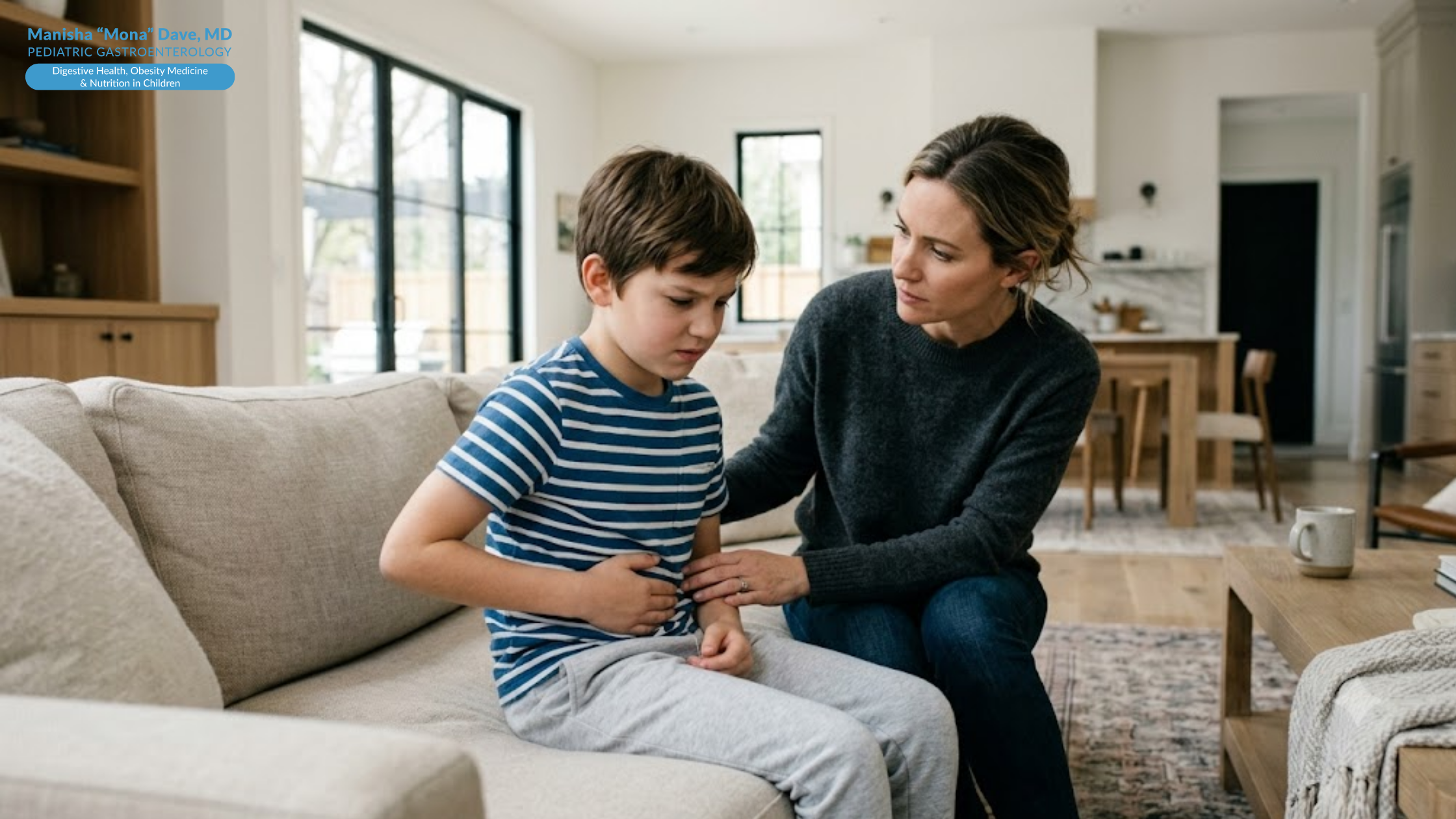
September is National Childhood Obesity Awareness Month
Sep 17, 2019
Endoscopy
1 in 5 children in the United States are obese
Sedentary activities such as watching television and other screen devices, contribute to excess weight gain in children.
How Much Physical Activity Do Children Need?
Research has now shown that any amount of physical activity has some health benefits.
What Are The Health Benefits Of Being Physically Active?
Improves cognition
Reduces anxiety
Reduces blood pressure
Improves quality of sleep
Reduces the risk of diabetes
Improves heart health
Improves bone health
Reduces the risk of depression
Prevents excess weight gain
Helps prevent 8 types of cancer (bladder, breast, colon, endometrium, esophagus, kidney, stomach, and lung)
Top Points From The Current Physical Activity Guidelines For American Children:
Children ages 3 through 5 should be active throughout the day to enhance growth and development.
Adults caring for children ages 3 through 5 should encourage and aim for at least 3 hours per day of active play (light, moderate, or vigorous intensity).
Children ages 6 through 17 years should do 60 minutes or more of moderate-to-vigorous physical activity daily:
Aerobic (rhythmically move large muscles to increase cardiopulmonary fitness such as running, hopping, skipping, jumping rope, swimming, dancing, bicycling, etc.): Most of the 60 minutes or more per day should be either moderate or vigorous intensity aerobic physical activity and should include vigorous intensity physical activity at least 3 days a week.
Muscle-strengthening (climbing trees, playing tug-of-war, lifting weights, using resistance bands, etc.): As part of the 60 minutes or more of daily physical activity, children ages 6 through 17 should include muscle-strengthening physical activity at least 3 days a week.
Bone-strengthening (produce a force on the bones by impact with the ground such as running, jumping rope, basketball, tennis, etc.): As part of the 60 minutes or more of daily physical activity, children ages 6 through 17 should include bone-strengthening physical activity at least 3 days a week.
Move Your Way is a promotional campaign to help people live healthier lives through increased physical activity. Check and their resources and get Moving!
If you would like more information about gastrointestinal (GI) digestive disorders and nutrition in children, please contact Dr. Mona Dave's Frisco Office or Request Appointment Here.
At Manisha “Mona” Dave, MD – Pediatric Gastroenterology, we provide expert, child-focused digestive care from infancy to young adulthood. Dr. Dave, double board-certified in pediatric gastroenterology and obesity medicine, delivers accurate diagnoses, often within a week, in a warm, family-friendly setting.