Our office has moved to 5575 Warren Parkway, Suite 116, Frisco, TX 75034, effective September 11. Please plan accordingly for upcoming appointments.
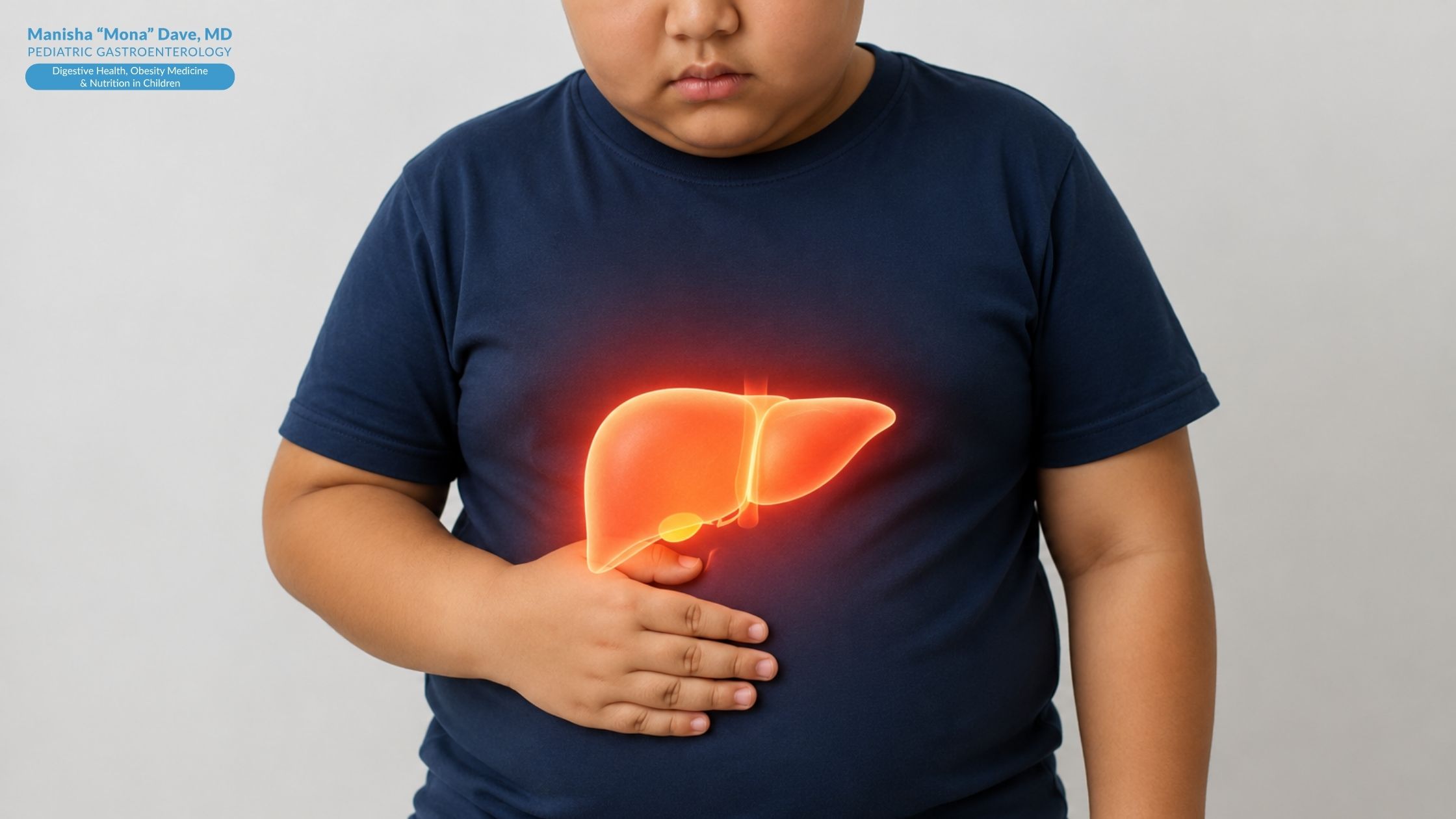
Childhood obesity has become an increasingly common health concern, affecting children of all ages. While excess weight is often associated with future health risks, it can also affect a child's present health, including liver health.
One of the most significant conditions linked to obesity is fatty liver disease in children, a condition that occurs when excess fat builds up in the liver. Because many children do not experience noticeable symptoms in the early stages, the condition can go undetected without proper evaluation.
Understanding the connection between childhood obesity and liver health can help families recognize potential risks early and take steps to support long-term well-being.
Fatty liver disease in children occurs when excess fat accumulates in the liver. While small amounts of fat are normal, too much can interfere with healthy liver function over time.
The liver plays an important role in digestion, metabolism, nutrient processing, and the removal of waste products from the body. When excess fat builds up, the liver may not function as efficiently as it should.
As rates of childhood obesity continue to rise, fatty liver disease has become one of the most common forms ofliver disease in children.
Excess body weight can increase fat storage throughout the body, including the liver. Obesity is also associated with metabolic changes, such as insulin resistance, which can contribute to fat accumulation within liver cells.
As a result, children with obesity have a significantly higher risk of developing fatty liver disease as compared to children with a healthy weight. However, not every child with obesity will develop liver problems, and additional factors may influence risk.
Recognizing these risks early can help families take preventive steps before liver-related complications develop.
Obesity is one of the strongest risk factors for fatty liver disease. The greater the excess body weight, the higher the likelihood of abnormal fat accumulation in the liver.
Regular consumption of sugary beverages, processed foods,fast food, and calorie-dense snacks may contribute to both weight gain and metabolic changes that affect liver health.
Limited physical activity and increased screen timecan make it more difficult to maintain a healthy weight and may increase the risk of obesity-related health concerns.
A family history of obesity, diabetes, metabolic syndrome, or liver disease may increase a child's susceptibility to liver-related conditions.
One of the challenges of identifying fatty liver disease is that many children may not have obvious symptoms, especially in the early stages.
When symptoms do occur, they may include:
Because symptoms may be mild or absent, regular medical evaluation is important for children who have risk factors such as obesity or a family history of metabolic conditions.
Evaluation typically begins with a review of the child's medical history, growth patterns, lifestyle habits, and symptoms. A physical examination may also be performed.
Additional testing may include:
In some cases, pediatric hepatology specialists may be involved to further evaluate and manage liver conditions in children. Their expertise helps ensure a thorough assessment and individualized care plan.
Fatty liver disease can progress over time if left unmanaged. Although many children experience mild disease initially, ongoing liver inflammation may increase the risk of more serious liver problems later in life.
Early detection provides an opportunity to identify risk factors, implement lifestyle changes, and monitor liver health before complications develop. In many cases, timely intervention can significantly improve long-term outcomes.
Lifestyle habits play an important role in supporting liver health and overall wellness.
Helpful strategies include:
Rather than focusing solely on weight, families can benefit from building sustainable routines that support overall health. Small, consistent changes often have a meaningful impact on both liver function and long-term well-being.
Parents should consider seeking medical guidance if they have concerns about their child's weight, overall health, or possible liver-related symptoms.
Evaluation may be particularly important when a child experiences:
Early consultation can help identify risk factors and guide appropriate next steps before complications develop.
Childhood obesity and fatty liver disease in children are closely connected, yet many children may not show obvious symptoms in the early stages. This makes awareness, routine medical care, and early evaluation especially important.
Healthy eating habits, regular physical activity, and timely intervention can help support long-term liver health and overall well-being. When concerns arise, seeking professional guidance can help identify risk factors early and create a plan that supports healthier outcomes.
Dr. Manisha “Mona” Dave, a pediatric gastroenterologist and board-certified obesity medicine expert, provides evidence-based care for children with digestive, metabolic, and liver-related concerns.
Schedule a visit today to better understand your child's risk factors and receive a personalized plan that supports long-term liver health and overall wellness.
Source: CDC
Yes. While obesity is a major risk factor, genetics and certain metabolic conditions may also contribute to fatty liver disease.
Fatty liver disease can develop during childhood or adolescence, particularly in children with obesity or other metabolic risk factors.
No. Genetics, metabolic conditions, medications, and other medical factors can also contribute to liver disease in children.
Monitoring recommendations vary based on individual risk factors and should be determined by a healthcare provider.
Most children with fatty liver disease can participate in physical activities, which are often encouraged as part of a healthy lifestyle plan.