
Our office has moved to 5575 Warren Parkway, Suite 116, Frisco, TX 75034, effective September 11. Please plan accordingly for upcoming appointments.


Excess sugar leads to diabetes and fatty liver disease.
The U.S. Government has recently issued new sugar guidelines:One of the biggest sources of sugar in kids comes from soda, juice, and sports drinks.
Many kids have several glasses of sugar-containing drinks every day.
Every teaspoon of sugar is equal to 4 grams of sugar. The average teenager consumes 28 teaspoons of sugar or 112 grams of sugar a day! Limit your child’s sugar intake and pull their sweet tooth!
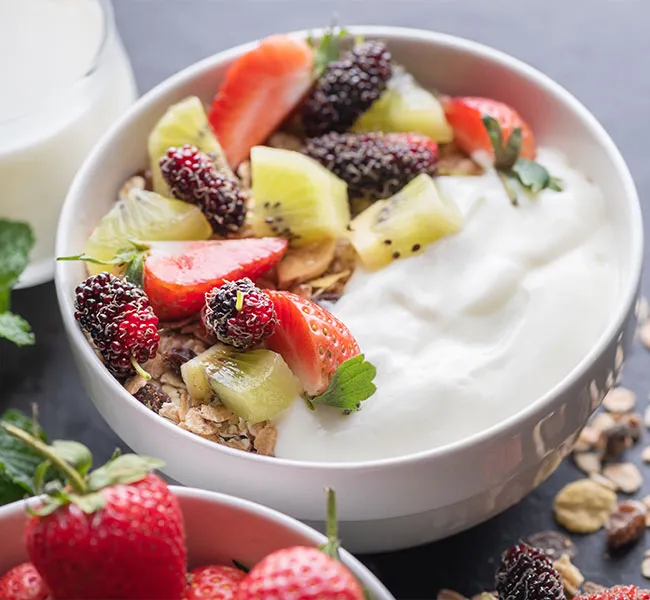
Instead of: Flavored yogurt
Try: Plain yogurt with fruit and a small amount of honey
Instead of: Canned fruit
Try Fresh fruit. A cup of fresh peaches has 3 teaspoons (12 grams) of sugar, whereas the same amount of canned peaches in light syrup has 8 teaspoons (32 grams) of sugar.
Instead of: Maple syrup
Try: Topping pancakes or waffles with fresh fruit or preserves. The low-sugar variety of preserves has only 1 1/2 teaspoons (6 grams) of sugar per tablespoon. The syrup has 9 teaspoons (39 grams) grams of sugar for every 1/4 cup.
Work together as a family to improve your child’s eating habits. Start with one new healthy eating habit today. Calculate how much sugar your child is eating and set a goal of reducing sugar intake by 1 teaspoon (4 grams) every day this week. Small changes over time will lead to big differences in your child’s health.
If you would like more information about gastrointestinal (GI) digestive disorders and nutrition in children, please contact Dr. Mona Dave’s Frisco Office.
Government guidelines recommend sugar make up no more than 10% of daily calories, or about 6-9 teaspoons per day for children.
Excess sugar is linked to diabetes and fatty liver disease (MASLD), which are now appearing even in children who aren't overweight or obese.
Sugary drinks are the main culprit, a can of soda has about 10 teaspoons of sugar, and juice, sports drinks, and chocolate milk aren't far behind.
Foods marketed as healthy, like flavored yogurt, cereal, and flavored oatmeal, often contain more sugar than expected.
Swap sugary drinks for water, choose fresh fruit over canned, read labels for grams of sugar, and pick whole, unprocessed snacks over packaged ones.